

Market Update – Q1 2026
The Greater Richmond commercial real estate market entering 2026 reflects selective transaction activity, disciplined pricing, and varied performance across asset classes. Owners evaluating whether to sell commercial property in Richmond, VA or reposition assets for leasing should understand how vacancy, absorption, and capital markets are shaping pricing and buyer demand.
Office Market – Richmond, VA
Richmond office market fundamentals remain mixed across submarkets including Downtown Richmond, Innsbrook, Short Pump, and Midlothian. According to Cushman & Wakefield Richmond MarketBeat (Q4 2025), overall office vacancy remains in the low-to-mid teen range depending on class and location. Demand has concentrated in smaller, functional office suites and properties offering accessibility and competitive lease terms. Class A assets in prime submarkets continue to outperform older inventory, while pricing discipline remains essential for owners considering a sale.
Industrial Market – I-95 & I-64 Corridor
Industrial real estate in Richmond, VA remains one of the strongest-performing sectors. Market reporting through late 2025 indicates industrial vacancy generally between 3–5%, with continued absorption in warehouse, flex, and distribution properties. Richmond’s strategic location along the I-95 and I-64 corridors continues to support logistics demand. Submarkets including Ashland, Sandston, and Chesterfield County have seen steady leasing velocity. Functional industrial assets priced in line with current capital conditions continue to attract both regional and institutional buyers.
Retail Market – Neighborhood & Infill Centers
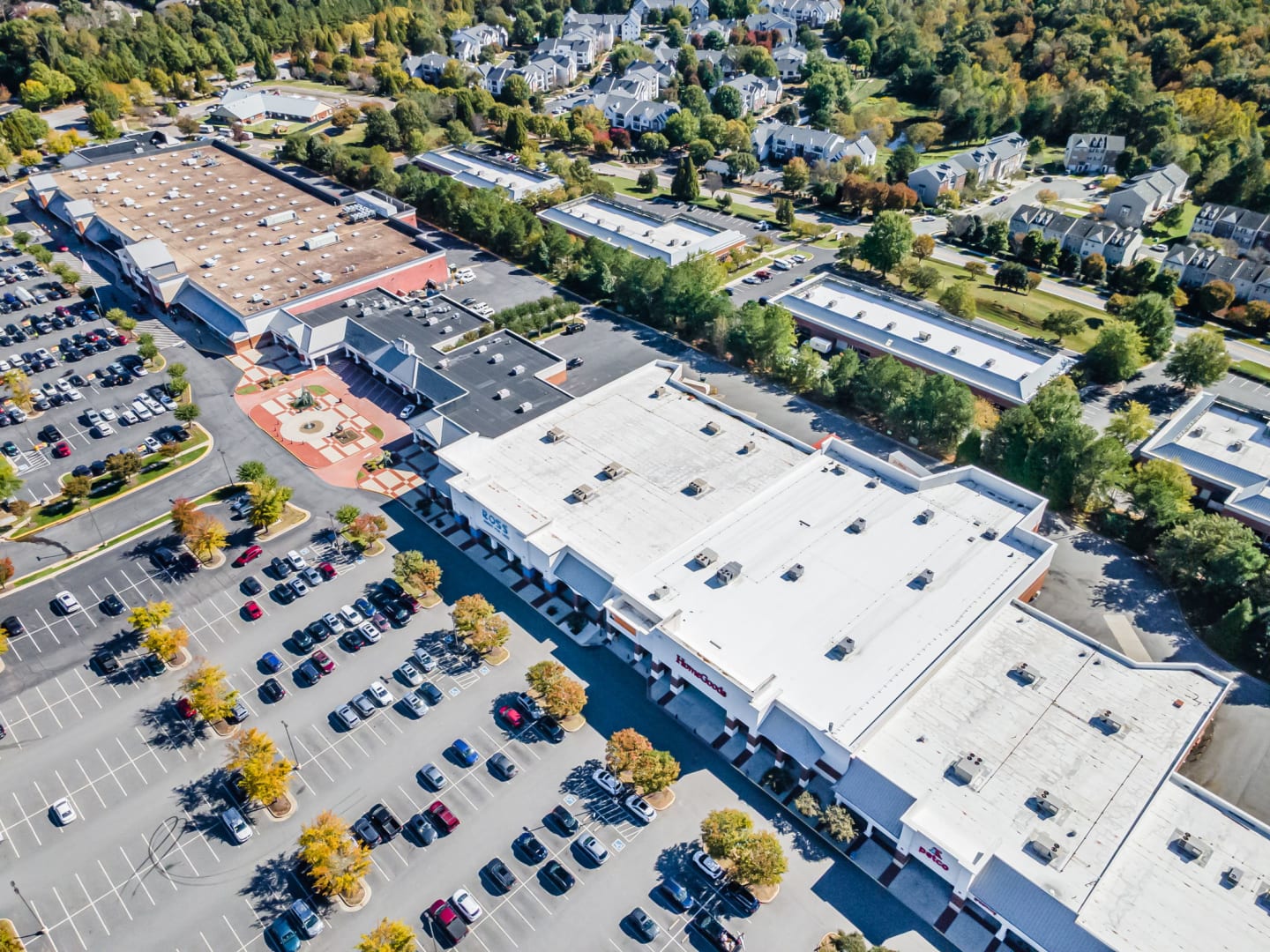
Retail vacancy across Greater Richmond remains comparatively low, roughly in the 3–4% range in many submarkets, particularly in neighborhood retail centers serving residential growth areas. Service-oriented tenants and experiential retail concepts continue to anchor demand in areas such as Short Pump, Midlothian, and Mechanicsville. Retail property owners considering disposition should evaluate tenant mix, lease duration, and rollover exposure when assessing pricing strategy.
Cap Rates & Investment Property Trends in Richmond
Cap rates in Richmond commercial real estate have adjusted upward from historic lows due to interest rate normalization. Based on regional market reporting entering 2026, approximate cap rate ranges have been observed as follows: industrial in the mid-6% range, retail in the mid-6% to low-7% range, and office often in the high-7% to mid-8%+ range depending on tenancy and lease strength. These figures vary by property quality, credit profile, and lease term.
Investor underwriting has become more disciplined, with heightened focus on net operating income (NOI), debt coverage ratios, tenant stability, and lease rollover schedules. Properties with durable income streams and competitive market positioning continue to transact.
What This Means for Richmond Commercial Property Owners
The Richmond commercial real estate market is not stagnant — it is selective. Industrial and well-located retail assets continue to demonstrate strong fundamentals. Office performance remains highly dependent on submarket and property condition. Sellers who align pricing expectations with current capital market conditions and position assets strategically within their competitive set are more likely to generate qualified buyer interest.
For property owners considering whether now is the right time to sell commercial property in Richmond, VA, a disciplined evaluation of income performance, vacancy trends, submarket demand, and capital market conditions is essential.
Sources: Cushman & Wakefield Richmond MarketBeat Reports (Q4 2025); Newmark Richmond Industrial Market Reports (2025); regional commercial transaction reporting; Richmond-area cap rate surveys and brokerage market summaries.